
application-notes
What Is an NTC Temperature Sensor and How Does It Work?

Mar
Get a practical explanation of what is an ntc temperature sensor and the buying, fit, and application details that matter before you compare products or request a quote.
Define NTC temperature sensors in plain language and explain how they fit into control systems.
What matters in practice
- An NTC sensor changes resistance as temperature changes, allowing the controller to infer temperature.
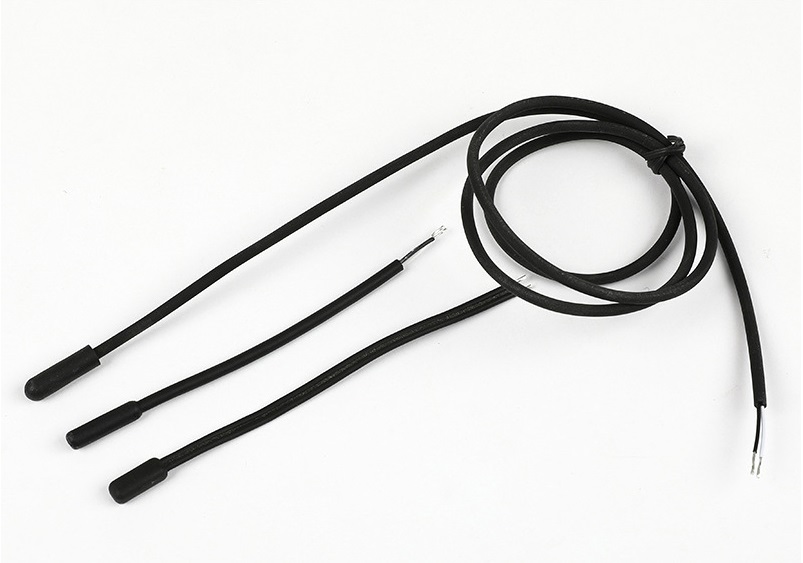
- The format can be adapted into probes, sealed sensors, terminal types, or appliance-specific assemblies.
- Choice of resistance curve, housing, and cable depends on the mechanical and electrical application requirements.
- NTC solutions are common because they are compact, responsive, and practical for many temperature-control systems.
Buying and design considerations
| Decision point | Why it matters |
|---|---|
| Question | Answer |
| What does NTC mean? | Negative temperature coefficient |
| What changes with temperature? | Electrical resistance |
| How is it used? | As part of a temperature-measurement circuit |
| Why so many formats? | Different applications need different housings and assembly styles |
Questions buyers often ask
Is an NTC sensor the same as a thermocouple?
No. They work differently and are chosen for different system needs.
Can NTC sensors be customized?
Yes. Resistance, housing, cable, and connectors are commonly customized.
Related route worth opening next
This solution overview helps connect the buying points in the guide above with the broader product family, fit requirements, and next-step options.
Related product
Use this option to compare fit, construction, and operating range against the points covered in the guide.
Continue exploring
When another route may suit the application better, this next step makes it easier to compare families without losing momentum.
When the specification or fit is still unclear, send the application details, connector information, or the current part reference and the team can help narrow the next step.
