
selection-guides
How to Select Resistance, Beta Value, and Housing for NTC Sensors

Mar
Compare the design variables that shape long-term performance, from resistance curve and materials to housing, sealing, and mechanical fit.
Help buyers connect resistance, Beta value, and housing choice to application fit.
What matters in practice
- Resistance and Beta value influence how the controller interprets temperature across the expected operating window.
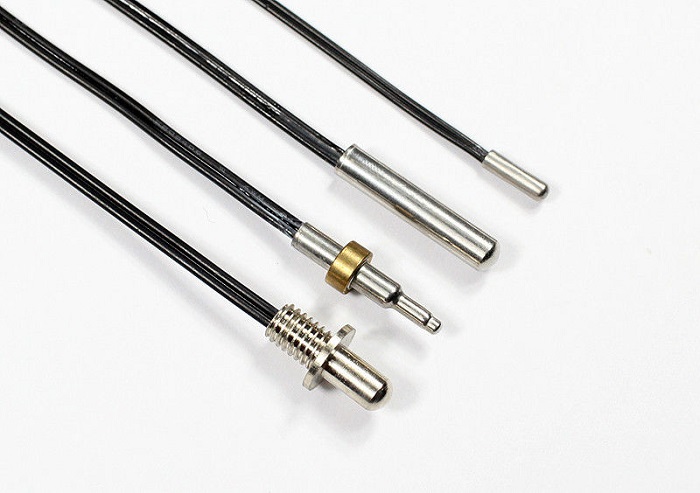
- Housing choice affects durability, sealing, response time, and the ease of mounting the sensor in the equipment.
- Cable and connector decisions should support both assembly flow and long-term service conditions.
- Selection is strongest when electrical and mechanical decisions are made together rather than separately.
Buying and design considerations
| Decision point | Why it matters |
|---|---|
| Selection input | Main decision |
| Resistance @25°C | Base electrical fit |
| Beta value | Curve behavior across temperature |
| Housing | Mechanical protection and thermal path |
| Cable / connector | Installation and durability |
Questions buyers often ask
Can buyers choose Beta value without circuit data?
It is better to review the controller or a known replacement specification first.
Is the housing only a mechanical issue?
No. Housing changes both protection and thermal response.
Related route worth opening next
This solution overview helps connect the buying points in the guide above with the broader product family, fit requirements, and next-step options.
Related product
Use this option to compare fit, construction, and operating range against the points covered in the guide.
Continue exploring
When another route may suit the application better, this next step makes it easier to compare families without losing momentum.
When the specification or fit is still unclear, send the application details, connector information, or the current part reference and the team can help narrow the next step.
