
oem-manufacturing
How to Choose a Temperature Sensor Manufacturer: OEM Supplier Checklist

Mar
Use this checklist to compare suppliers, ask better questions, and narrow the manufacturers that look most suitable for your application.
Give buyers a practical checklist for evaluating a temperature sensor manufacturer or OEM supplier.
What matters in practice
- Review whether the supplier understands your application rather than only quoting a generic catalog part.
- Check customization depth across sensor curve, housing, cable, connectors, and packaging.
- Ask how sampling, validation, incoming inspection, and outgoing inspection are handled.
- Look for supply-chain stability and a clear process for moving from sample to repeat production.
Buying and design considerations
| Decision point | Why it matters |
|---|---|
| Evaluation area | What to ask |
| Application fit | Do you understand this use case? |
| Customization | Which dimensions or electrical parameters can you change? |
| Quality control | How are incoming and outgoing checks managed? |
| Scale-up | How do you move from sample approval to production? |
Questions buyers often ask
Should I choose the lowest quote?
Price matters, but long-term fit, process discipline, and communication usually matter more in OEM sensor projects.
What documents help the supplier quote correctly?
Drawings, photos, target temperature range, controller info, and annual demand are all helpful.
Related route worth opening next
This solution overview helps connect the buying points in the guide above with the broader product family, fit requirements, and next-step options.
Related product
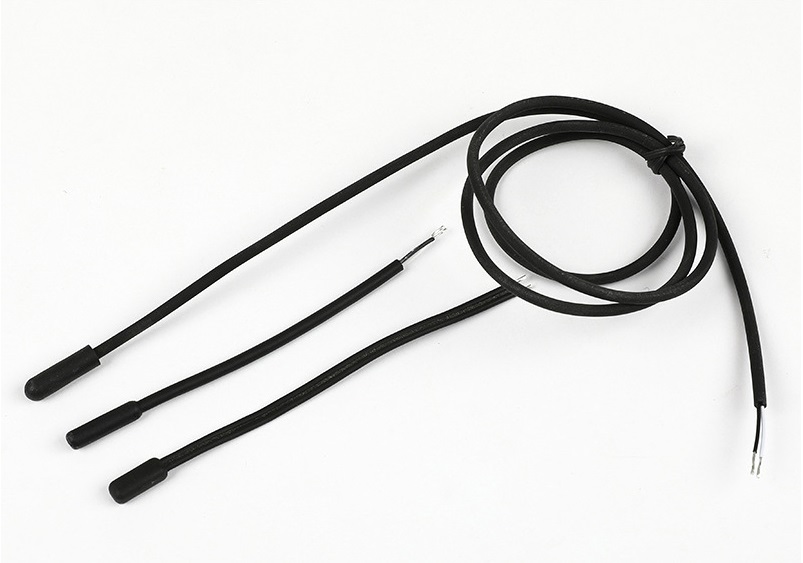
Use this option to compare fit, construction, and operating range against the points covered in the guide.
Continue exploring
When another route may suit the application better, this next step makes it easier to compare families without losing momentum.
When the specification or fit is still unclear, send the application details, connector information, or the current part reference and the team can help narrow the next step.
