
selection-guides
How to Choose Cable, Housing, and Temperature Range for Appliance Sensors
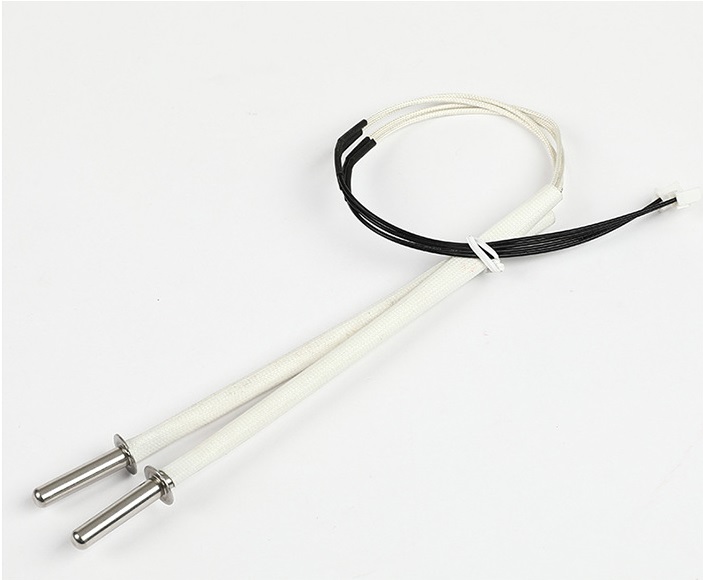
Mar
Compare the design variables that shape long-term performance, from resistance curve and materials to housing, sealing, and mechanical fit.
Give appliance engineers and buyers a practical selection framework for cable, housing, and heat range.
What matters in practice
- Cable and housing are not secondary details; they are a large part of whether the sensor survives the appliance life cycle.
- Heat range should cover the real exposure, not only the normal operating target.
- Mechanical routing, flex, and moisture should all be considered during selection.
- Standard sensors can often be adapted once the application constraints are clear.
Buying and design considerations
| Decision point | Why it matters |
|---|---|
| Selection factor | Main concern |
| Cable material | Heat, flex, and installation durability |
| Housing | Protection and thermal contact |
| Temperature range | True exposure margin |
| Connector / terminal | Assembly speed and fit |
Questions buyers often ask
Can one cable material fit every appliance?
No. Heat, moisture, and flex demands differ by product type.
Should buyers overspec the temperature range?
It is better to build in a sensible safety margin than to size only for ideal conditions.
Related route worth opening next
This solution overview helps connect the buying points in the guide above with the broader product family, fit requirements, and next-step options.
Related product
Use this option to compare fit, construction, and operating range against the points covered in the guide.
Continue exploring
When another route may suit the application better, this next step makes it easier to compare families without losing momentum.
When the specification or fit is still unclear, send the application details, connector information, or the current part reference and the team can help narrow the next step.
