
selection-guides
How to Choose an Automotive Temperature Sensor for Battery Packs and Thermal Management
Mar
Compare the design variables that shape long-term performance, from resistance curve and materials to housing, sealing, and mechanical fit.
Provide a selection checklist for automotive and battery-pack temperature sensors.
What matters in practice
- Selection starts with the thermal-management objective, not only the sensor catalog.
- Design teams should review mounting position, insulation, response target, harness routing, and environmental exposure.
- Prototype validation is especially important because pack geometry changes sensor behavior.
- The strongest sourcing requests combine electrical, mechanical, and production requirements in one brief.
Buying and design considerations
| Decision point | Why it matters |
|---|---|
| Selection step | Key question |
| Pack location | Where will the sensor sit? |
| Temperature window | What range must be covered? |
| Harness design | How will the signal path be routed? |
| Validation | How will response and stability be tested? |
Questions buyers often ask
Can one automotive sensor fit every battery pack?
No. Pack design is too variable for that assumption.
What makes supplier collaboration easier?
Clear application details and early sample testing.
Related route worth opening next
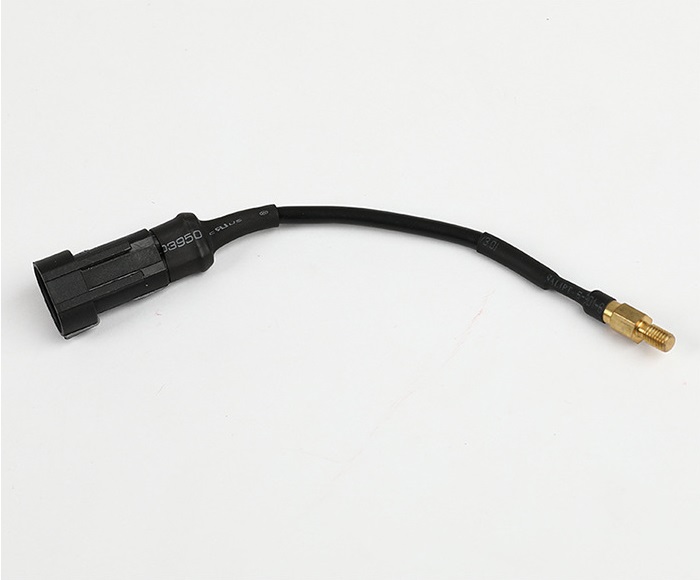
This solution overview helps connect the buying points in the guide above with the broader product family, fit requirements, and next-step options.
Related product
Use this option to compare fit, construction, and operating range against the points covered in the guide.
Continue exploring
When another route may suit the application better, this next step makes it easier to compare families without losing momentum.
When the specification or fit is still unclear, send the application details, connector information, or the current part reference and the team can help narrow the next step.
