
application-notes
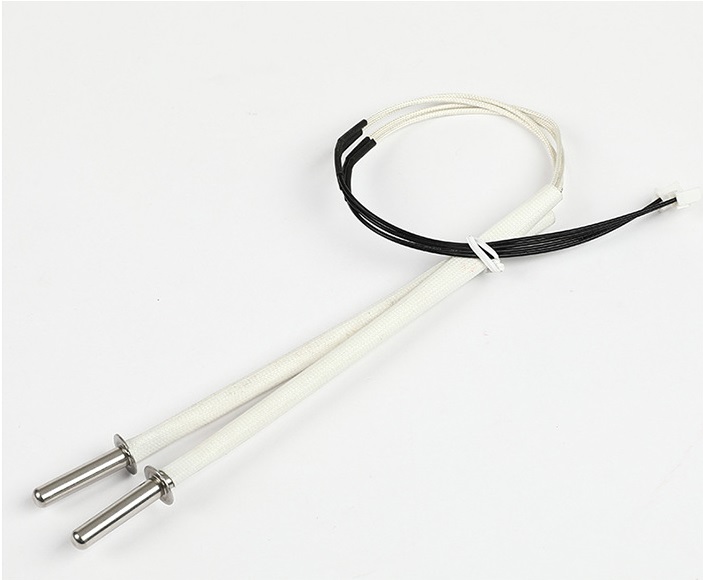
How Temperature Sensors Improve Safety in Microwave and Electric Ovens
Mar
Understand how temperature sensing is used in the application, what performance details matter most, and what buyers usually confirm before they move ahead.
Show how temperature feedback supports safety and performance in heating appliances.
Where This Matters
- Accurate sensing helps the appliance regulate heating instead of relying on crude timing alone.
- Better thermal feedback can support product consistency, user safety, and component protection.
- Housing and mounting choices affect how faithfully the sensor reflects the appliance condition.
- This content works well as a bridge between general application interest and a specific product page.
Application Table
| Design issue | Why it matters |
|---|---|
| Safety benefit | Why it matters |
| Overheat control | Protects appliance and user |
| Stable cooking performance | Improves consistency |
| Component protection | Reduces thermal stress |
| System feedback | Supports better control decisions |
How It Connects to the Product Line
Questions buyers often ask
Does sensor position matter for safety?
Yes. A good sensor in the wrong location can still produce weak control results.
Is faster response always safer?
It helps in many cases, but the final safety outcome still depends on the full system design.
Related route worth opening next
This solution overview helps connect the buying points in the guide above with the broader product family, fit requirements, and next-step options.
Related product
Use this option to compare fit, construction, and operating range against the points covered in the guide.
Continue exploring
When another route may suit the application better, this next step makes it easier to compare families without losing momentum.
When the specification or fit is still unclear, send the application details, connector information, or the current part reference and the team can help narrow the next step.
