
Refrigeration sensing is not just a colder version of general appliance sensing. The environment changes the durability priorities, the likely failure patterns, and the way the sensor has to behave over time. This overview organizes those practical differences into a more useful buying route.
How this solution is usually evaluated
Visitors rarely choose a sensor or probe by headline alone. They compare fit, use environment, and the practical details that decide whether the part will work in the real system.
Cold and moisture resistance
A refrigeration sensor has to handle humidity, condensation risk, and low-temperature cycling without giving up consistent performance.
Troubleshooting matters in this category
Many visitors arrive after seeing performance problems in the field. That makes failure signs and use-case troubleshooting part of the buying decision, not just an afterthought.
Selection still depends on the build details
Resistance value, protection level, and response characteristics all shape how the sensor behaves in actual refrigeration control points.
Relevant products to review next
These product details are the fastest way to compare concrete options after the broader solution picture is clear.
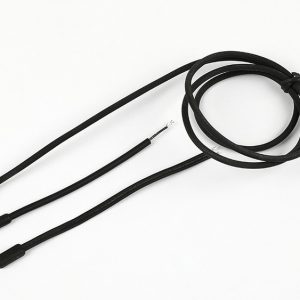
NTC Temperature Sensors
Helpful reading before you commit
These guides answer the specification, compatibility, or application questions that most often shape the final choice.