
The NTC family sits at the center of the range because it connects to several application environments at once. Some visitors need a refrigeration sensor. Others need a small-appliance assembly or an EV battery monitoring build. This overview helps keep that broad category understandable while still connecting quickly to the most relevant application overviews and product examples.
How this solution is usually evaluated
Visitors rarely choose a sensor or probe by headline alone. They compare fit, use environment, and the practical details that decide whether the part will work in the real system.
Electrical selection
Resistance at 25°C, tolerance, and Beta behavior shape how the sensor will respond inside the finished system and how it will integrate with the control logic.
- 10K, 50K, 100K and other common starting points
- Expected temperature range
- Tolerance and control requirements
Mechanical construction
Housing, cable, connector, sealing, and mounting details are just as important as the nominal electrical target once the sensor has to survive real use conditions.
- Cap or housing style
- Lead-wire material
- Connector or terminal type
- Sealing needs
Application fit
The same sensor family can support ovens, refrigerators, kettles, and EV packs, but the correct build depends on the environment rather than the headline category alone.
Relevant products to review next
These product details are the fastest way to compare concrete options after the broader solution picture is clear.
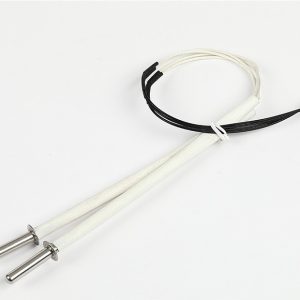
Home Appliance Temperature Sensors
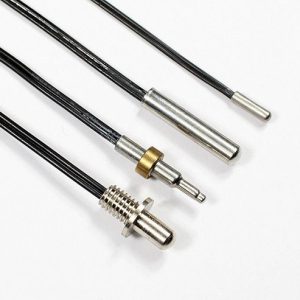
Kettle & Coffee Maker Temperature Sensors

NTC Temperature Sensors
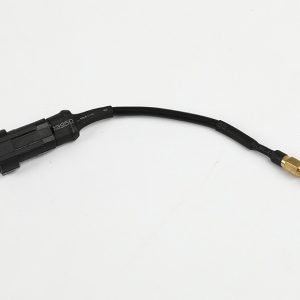
Automotive & EV Temperature Sensors
Helpful reading before you commit
These guides answer the specification, compatibility, or application questions that most often shape the final choice.