
Beverage Appliance Sensors

Kettle and Coffee Maker Temperature Sensors for Heating Control, Shutoff Logic, and Repeated High-Heat Cycles

Beverage appliances place a different kind of pressure on a sensor assembly. Repeated high-heat cycling, compact packaging, and the need for reliable shutoff behavior make build details matter quickly. This overview helps visitors narrow the right sensor direction for kettles, coffee makers, and similar hot-water systems.

Kettle controlCoffee maker sensingRepeated heating cyclesCompact appliance fit

The beverage category is often underestimated because the products are familiar. In practice, the thermal cycling, internal packaging, and control behavior inside kettles and coffee makers create a very specific set of design and reliability questions. This route is organized around those questions.

Section

How this solution is usually evaluated

Visitors rarely choose a sensor or probe by headline alone. They compare fit, use environment, and the practical details that decide whether the part will work in the real system.

Control

Heating control and shutoff behavior

The sensor has to support dependable temperature feedback inside repeated heating cycles, often in a compact space where consistent control is critical.

Materials

Cap and housing choice

Material and housing details influence how the part handles the appliance environment over time, especially where repeated heat and moisture both matter.

Reliability

Failure prevention starts at selection

High-heat cycling can expose weak build choices quickly, which is why this category benefits from a stronger technical review before the final part is chosen.

Section

Relevant products to review next

These product details are the fastest way to compare concrete options after the broader solution picture is clear.
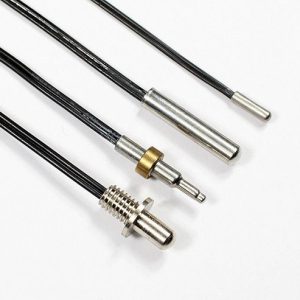
Kettle & Coffee Maker Temperature Sensors

GRM-016 Kettle & Coffee Maker Temperature Sensor

Section

Helpful reading before you commit

These guides answer the specification, compatibility, or application questions that most often shape the final choice.

Guide
How Temperature Sensors Control Heating in Electric Kettles and Coffee Makers
Explains how temperature sensing supports heating control, shutoff, and consistent beverage preparation.
Read more →
Guide
Aluminum Cap vs Ceramic Cap Temperature Sensors for Beverage Appliances
A build-focused comparison for beverage appliances with different thermal and mechanical demands.
Read more →
Guide
Why Kettle and Coffee Maker Temperature Sensors Fail at High Heat
Breaks down the common failure paths seen in repeated high-heat cycling.
Read more →
Section

Related routes worth opening alongside this one

Solution
Home Appliance Temperature Sensors
Sensor solutions for ovens, microwaves, air fryers, and other controlled-heating appliances.
Read more →
Solution
NTC Temperature Sensors
A broad commercial entry point for NTC sensor assemblies across appliance, refrigeration, beverage, and battery projects.
Read more →
Solution
Products
Browse the catalog by family, application, or fit.
Read more →
Section

Frequently asked questions

What makes beverage-appliance sensors different from other home appliance sensors?
Repeated boiling or near-boiling cycles, compact packaging, and shutoff-critical control behavior create a different mix of durability and performance priorities.
Why does cap material matter in this category?
Cap material affects how the sensor responds and how it withstands the environment, which is why it becomes a more visible decision point in beverage appliances.
Can I start from an existing sensor product and then adapt it?
Yes. In many cases an existing family provides the starting direction, then the final build is refined around the appliance packaging and operating behavior.
Where should I go next if I need help choosing the right build?
The simplest next step is Request a Quote with the appliance type, heat profile, and any packaging or material preferences you already know.
The beverage-appliance route works best when heat cycling, packaging, and shutoff behavior are treated as the center of the decision rather than as late-stage details.