
Custom projects often begin with incomplete information rather than with a perfect specification. The important thing is to define the environment, the fit constraints, and the performance goals clearly enough that the build direction can be narrowed. From there, the conversation usually moves through application review, sample planning, verification, and a more stable production discussion.
How this solution is usually evaluated
Visitors rarely choose a sensor or probe by headline alone. They compare fit, use environment, and the practical details that decide whether the part will work in the real system.
Application and thermal target
The use environment determines the shape of the build. Controlled appliance heating, refrigeration, repeated boiling cycles, and EV battery monitoring all place different demands on the sensor assembly.
- Working temperature range
- Response expectations
- Thermal cycling severity
- Moisture or media exposure
Mechanical construction
A custom part is often won or lost on packaging details. Housing size, lead routing, connector choice, and mounting logic all affect whether the final assembly integrates cleanly.
- Housing or cap style
- Cable length and insulation
- Terminal or connector type
- Mounting and strain relief
Validation and repeat supply
The custom path should lead toward a repeatable build, not only a single successful sample. That is why manufacturing context and quality expectations belong in the discussion early.
Relevant products to review next
These product details are the fastest way to compare concrete options after the broader solution picture is clear.
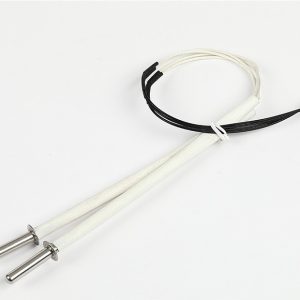
Home Appliance Temperature Sensors
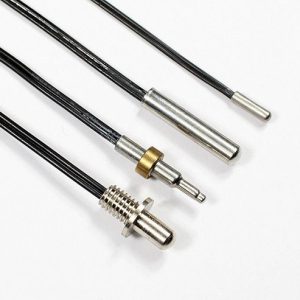
Kettle & Coffee Maker Temperature Sensors
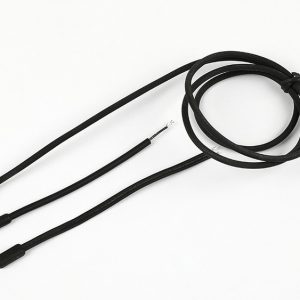
NTC Temperature Sensors
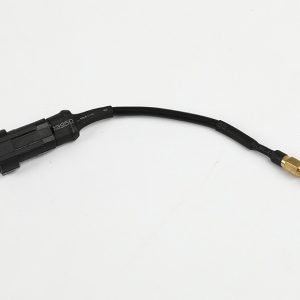
Automotive & EV Temperature Sensors
Helpful reading before you commit
These guides answer the specification, compatibility, or application questions that most often shape the final choice.