
application-notes
Terminal-Type NTC Sensors for Automotive and EV Battery Monitoring
Mar
Compare the design variables that shape long-term performance, from resistance curve and materials to housing, sealing, and mechanical fit.
Where This Matters
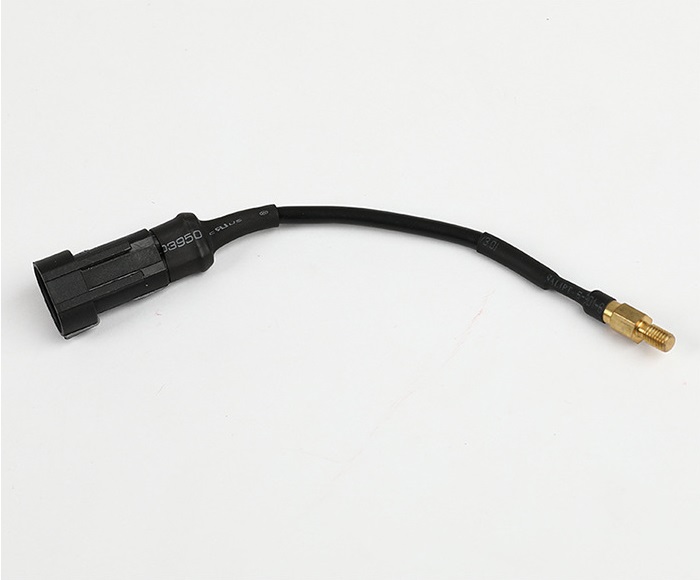
- Terminal construction can simplify how the sensor interfaces with the battery or thermal-management assembly.
- Mechanical geometry matters because the sensor must fit the pack layout and the expected thermal path.
- OEM projects often need custom terminal and harness combinations rather than a one-size-fits-all part.
- It helps teams understand the application before they compare custom-project options.
Application Table
| Design issue | Why it matters |
|---|---|
| Terminal-type advantage | Why it matters |
| Mechanical integration | Can fit compact pack layouts |
| Thermal contact | Supports controlled placement |
| Harness flexibility | Useful for OEM adaptation |
| Production repeatability | Improves sourcing consistency |
How It Connects to the Product Line
Questions buyers often ask
Is terminal type only for EV batteries?
No. The same construction logic can support broader automotive or energy-storage projects.
What should buyers share first?
Photos, layout drawings, harness needs, and temperature targets.
Related route worth opening next
This solution overview helps connect the buying points in the guide above with the broader product family, fit requirements, and next-step options.
Related product
Use this option to compare fit, construction, and operating range against the points covered in the guide.
Continue exploring
When another route may suit the application better, this next step makes it easier to compare families without losing momentum.
When the specification or fit is still unclear, send the application details, connector information, or the current part reference and the team can help narrow the next step.
