
selection-guides
Aluminum Cap vs Ceramic Cap Temperature Sensors for Beverage Appliances
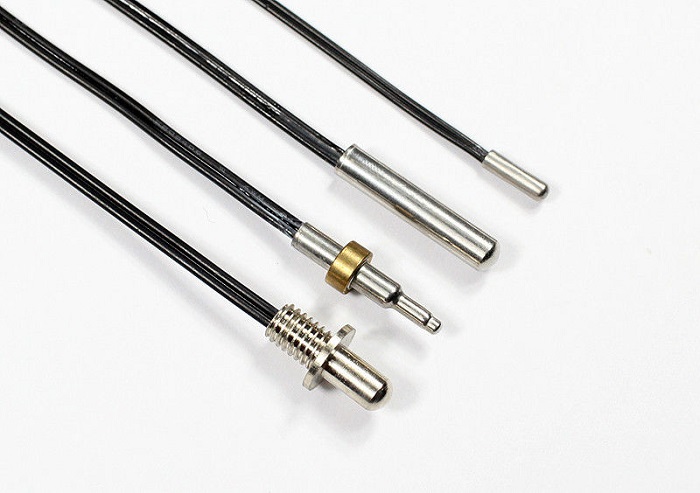
Mar
See how aluminum cap vs ceramic cap temperature sensor compares in real buying situations, what the main trade-offs look like in practice, and which choice usually makes the most sense for the application.
Compare aluminum-cap and ceramic-cap constructions for kettles and coffee makers.
Quick Comparison
| Option | How to evaluate it |
|---|---|
| Cap type | Common selection logic |
| Aluminum cap | Often chosen when thermal transfer and practical assembly fit align |
| Ceramic cap | Consider when the design calls for that contact and durability profile |
| Decision method | Review appliance layout and test results |
| Final step | Prototype before locking production |
How to Choose the Better Fit
- Cap material influences contact behavior, thermal transfer, and long-term durability.
- The source content indicates both aluminum-cap and ceramic-cap options are relevant for this product family.
- The best choice depends on the appliance structure, expected response behavior, and cost target.
- It is useful for both engineering selection and commercial research during sourcing.
Practical Buying Tip
After narrowing the options, compare them against the solution overview for Kettle & Coffee Maker Temperature Sensors and the related product page here so the final choice matches the real system.
Questions buyers often ask
Is one cap material universally better?
No. The better option is the one that matches the product design and test target.
Can the same sensor family offer both options?
Yes. That flexibility is part of the value of an OEM-oriented product line.
Related route worth opening next
This solution overview helps connect the buying points in the guide above with the broader product family, fit requirements, and next-step options.
Related product
Use this option to compare fit, construction, and operating range against the points covered in the guide.
Continue exploring
When another route may suit the application better, this next step makes it easier to compare families without losing momentum.
When the specification or fit is still unclear, send the application details, connector information, or the current part reference and the team can help narrow the next step.
