
application-notes
How Temperature Sensors Control Heating in Electric Kettles and Coffee Makers
Mar
Get a practical explanation of kettle temperature sensor and the buying, fit, and application details that matter before you compare products or request a quote.
What matters in practice
- Heating appliances need timely feedback to avoid overshoot and to create predictable user performance.
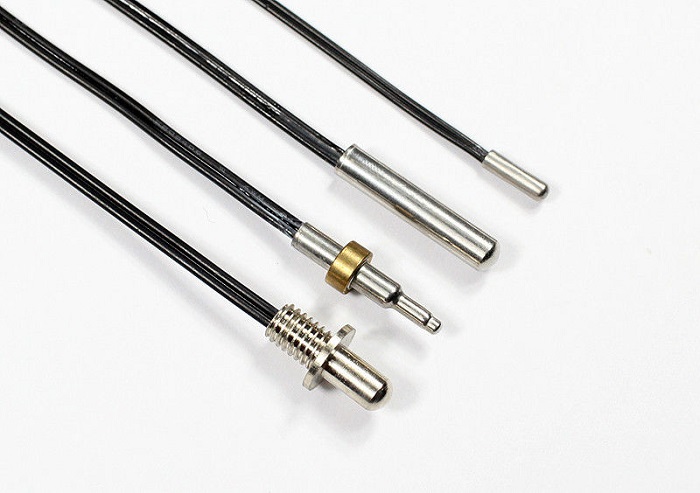
- Sensor cap material and mounting position affect how quickly the sensor tracks the real heating surface or water state.
- Durability matters because these appliances often cycle frequently in compact spaces.
- This is a strong educational article for both OEM buyers and distributor-focused research content.
Buying and design considerations
| Decision point | Why it matters |
|---|---|
| Control task | Sensor contribution |
| Boil / heat cutoff | Prevents overheating |
| Temperature regulation | Supports user consistency |
| Component protection | Helps manage thermal stress |
| Cycle repeatability | Improves product feel and reliability |
Questions buyers often ask
Why are cap materials discussed so often here?
Because contact style and thermal behavior strongly influence the result in fast-heating beverage appliances.
Do all kettles need the same sensor style?
No. Layout, power, and product design change the best sensor choice.
Related route worth opening next
This solution overview helps connect the buying points in the guide above with the broader product family, fit requirements, and next-step options.
Related product
Use this option to compare fit, construction, and operating range against the points covered in the guide.
Continue exploring
When another route may suit the application better, this next step makes it easier to compare families without losing momentum.
When the specification or fit is still unclear, send the application details, connector information, or the current part reference and the team can help narrow the next step.
