
troubleshooting
Common Refrigerator NTC Sensor Problems and Failure Signs
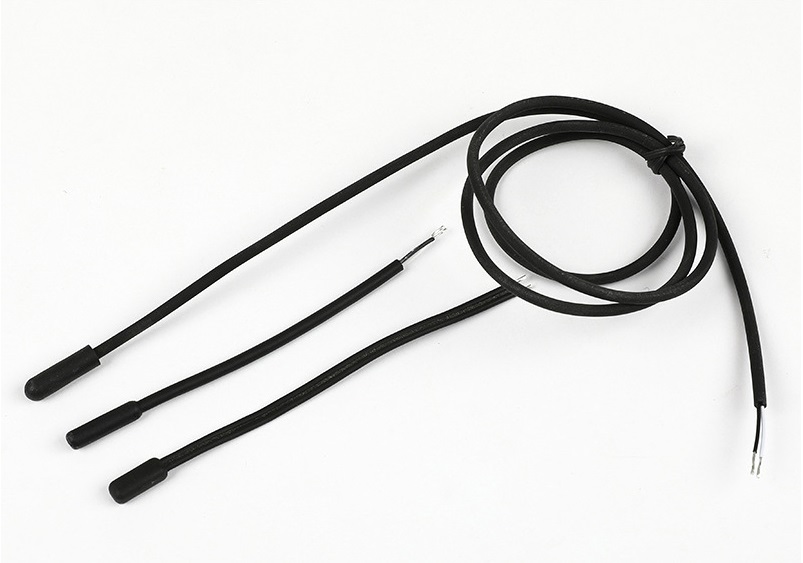
Mar
Review the most common reasons refrigerator ntc sensor problems issues appear, the checks that help narrow the cause, and when replacement becomes the more practical option.
Help users and buyers identify common refrigeration sensor issues.
Common Causes
- Symptoms often show up as unstable cooling behavior, temperature drift, or control issues that appear intermittent.
- Sensor aging, moisture stress, wiring damage, and connector problems are common failure paths.
- The fastest troubleshooting path usually combines symptom review with resistance checks and visual inspection.
- Clear troubleshooting content also supports replacement-part demand without sounding overly promotional.
Troubleshooting Table
| Problem sign | Likely direction |
|---|---|
| Failure sign | Possible cause |
| Cooling inconsistent | Sensor drift or poor feedback |
| Intermittent issue | Wiring or connector fault |
| Poor response | Sealing or aging issue |
| No reading | Open or damaged circuit |
When to Repair vs Replace
If the issue persists after basic checks, the fastest path is usually to review the related product on the product details and compare it with the broader commercial guidance on Refrigeration Temperature Sensors.
Questions buyers often ask
Can condensation damage a sensor?
Yes. Moisture is one of the reasons sealing matters in refrigeration systems.
When should the sensor be replaced?
When readings stay inconsistent after basic checks or when the assembly is visibly damaged.
Related route worth opening next
This solution overview helps connect the buying points in the guide above with the broader product family, fit requirements, and next-step options.
Related product
Use this option to compare fit, construction, and operating range against the points covered in the guide.
Continue exploring
When another route may suit the application better, this next step makes it easier to compare families without losing momentum.
When the specification or fit is still unclear, send the application details, connector information, or the current part reference and the team can help narrow the next step.
