
selection-guides
NTC Sensor vs Thermocouple vs RTD: Which One Should You Use?

Mar
See how ntc vs thermocouple vs rtd compares in real buying situations, what the main trade-offs look like in practice, and which choice usually makes the most sense for the application.
Compare NTC sensors with thermocouples and RTDs for selection-stage buyers.
Quick Comparison
| Option | How to evaluate it |
|---|---|
| Sensor type | Best-known strength |
| NTC | Compact and responsive for many common control applications |
| Thermocouple | Handles very high temperatures and broad industrial use cases |
| RTD | Often chosen for precision and stability needs |
| Final choice | Should match the real design brief |
How to Choose the Better Fit
- NTC sensors are often favored for compact size and strong sensitivity across many everyday temperature-control tasks.
- Thermocouples are attractive when the temperature range goes much higher or the application is fundamentally different.
- RTDs are often considered where precision and stability are the top priority and the budget/system design can support them.
- Selection should be driven by application range, control electronics, response target, packaging, and cost.
Practical Buying Tip
After narrowing the options, compare them against the solution overview for NTC Temperature Sensors and the related product page here so the final choice matches the real system.
Questions buyers often ask
Which one is cheapest?
That depends on the construction and the full assembly, but NTC solutions are often cost-effective for many controlled applications.
Can I switch sensor type without changing the controller?
Usually not. Signal conditioning and calibration logic differ by sensor technology.
Related route worth opening next
This solution overview helps connect the buying points in the guide above with the broader product family, fit requirements, and next-step options.
Related product
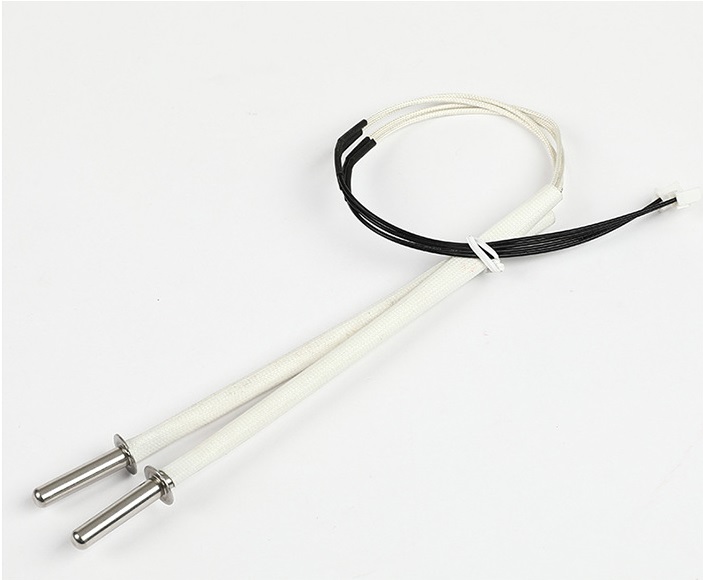
Use this option to compare fit, construction, and operating range against the points covered in the guide.
Continue exploring
When another route may suit the application better, this next step makes it easier to compare families without losing momentum.
When the specification or fit is still unclear, send the application details, connector information, or the current part reference and the team can help narrow the next step.
