
selection-guides
10K vs 50K vs 100K NTC Sensors: Which Resistance Value Fits Your Application?

Mar
See how 10k vs 50k vs 100k ntc sensors compares in real buying situations, what the main trade-offs look like in practice, and which choice usually makes the most sense for the application.
Compare common NTC resistance values and show how application, circuit design, and sourcing decisions affect the choice.
Quick Comparison
| Option | How to evaluate it |
|---|---|
| Resistance option | Typical selection logic |
| 10K | Common starting point for many general designs |
| 50K | Useful when the electronics or curve preference calls for higher nominal resistance |
| 100K | Consider when sensitivity and circuit design benefit from a higher base resistance |
| Custom | Best for tightly specified OEM projects |
How to Choose the Better Fit
- Resistance value influences the measurement window, circuit sensitivity, and the interaction with the controller input.
- 10K parts are common and easy to source, but they are not automatically the best choice for every design.
- 50K and 100K options can be useful where the control scheme or sensitivity target favors a different curve behavior.
- The right choice should be confirmed with the application, wire length, controller design, and calibration strategy.
Practical Buying Tip
After narrowing the options, compare them against the solution overview for Custom Temperature Sensor Manufacturer and the related product page here so the final choice matches the real system.
Questions buyers often ask
Can I replace a 10K sensor with a 100K sensor?
Not safely unless the controller and calibration logic were designed for that value.
Is higher resistance always better?
No. The best value depends on the full electrical and thermal design.
Related route worth opening next
This solution overview helps connect the buying points in the guide above with the broader product family, fit requirements, and next-step options.
Related product
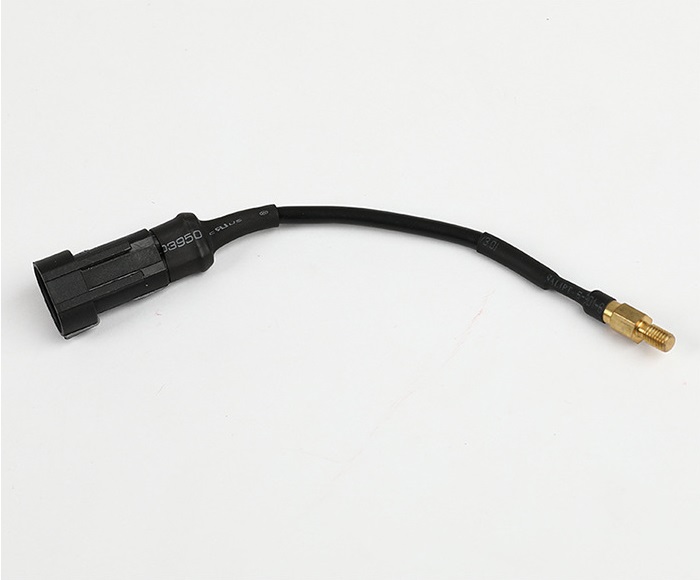
Use this option to compare fit, construction, and operating range against the points covered in the guide.
Continue exploring
When another route may suit the application better, this next step makes it easier to compare families without losing momentum.
When the specification or fit is still unclear, send the application details, connector information, or the current part reference and the team can help narrow the next step.
