
EV and automotive sensor projects often arrive with higher sensitivity around response time, mounting method, and long-term reliability. This overview is designed to connect those concerns directly to the relevant product example and the technical articles that explain the selection logic behind it.
How this solution is usually evaluated
Visitors rarely choose a sensor or probe by headline alone. They compare fit, use environment, and the practical details that decide whether the part will work in the real system.
Response speed and contact quality
Battery monitoring often depends on stable contact and a sensor that reacts quickly enough to support meaningful thermal-management decisions.
Terminal-style construction
Terminal builds can make mounting and packaging more controlled when the sensor has to sit close to the monitoring point inside the pack or system.
Thermal-management fit
The best automotive and EV sensor choice still depends on the actual pack design, mounting logic, and the surrounding thermal-management strategy.
Relevant products to review next
These product details are the fastest way to compare concrete options after the broader solution picture is clear.
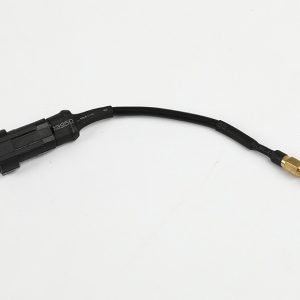
Automotive & EV Temperature Sensors
Helpful reading before you commit
These guides answer the specification, compatibility, or application questions that most often shape the final choice.