
Appliance-use sensor decisions are shaped by more than the nominal operating temperature. Cable routing, housing form, control-board expectations, and the safety role of the part all influence the final selection. This overview is meant to turn those general concerns into a clearer shortlist.
How this solution is usually evaluated
Visitors rarely choose a sensor or probe by headline alone. They compare fit, use environment, and the practical details that decide whether the part will work in the real system.
Heat and control stability
Appliance sensors often sit in systems where accurate temperature feedback affects heating control, shutoff behavior, and user safety.
Mechanical and cable choices
Small form factors, routing constraints, and high-heat zones make housing and cable selection central to the right build.
Standard family or custom path
Some appliance projects can begin from an existing sensor family, while others require a more tailored build because the mounting or packaging is too specific.
Relevant products to review next
These product details are the fastest way to compare concrete options after the broader solution picture is clear.
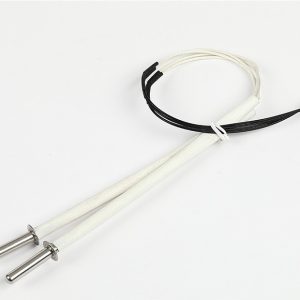
Home Appliance Temperature Sensors
Helpful reading before you commit
These guides answer the specification, compatibility, or application questions that most often shape the final choice.